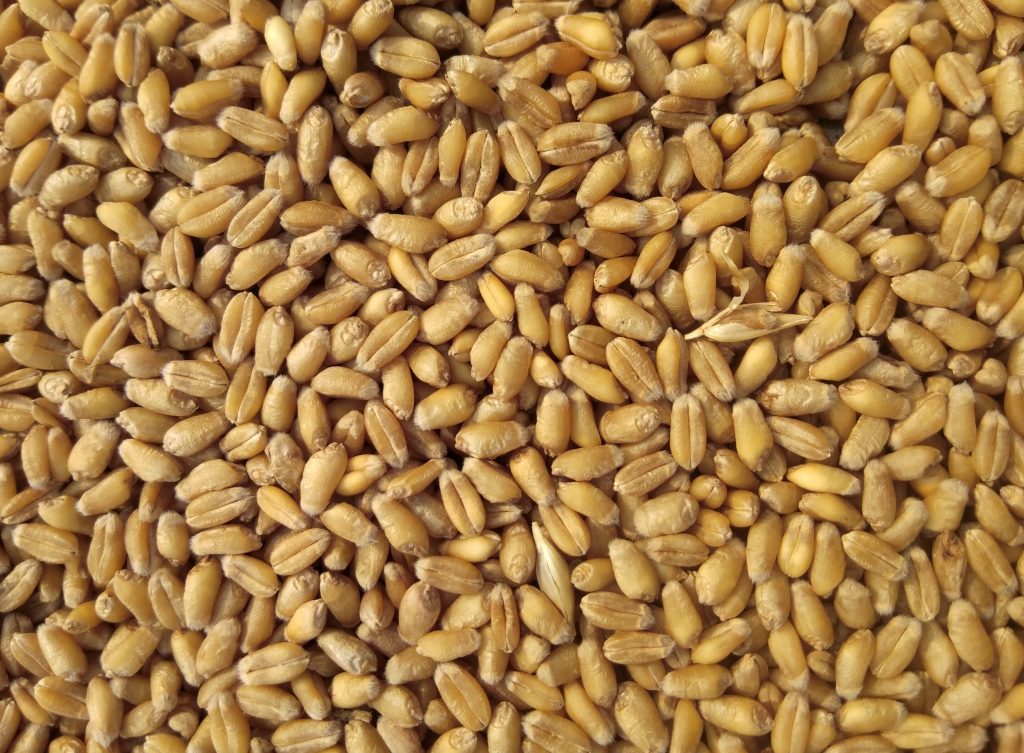
Wheat-based products, derived from the staple cereal grain wheat, are integral components of diets worldwide, offering a spectrum of nutritional benefits. We will delve into the various aspects of the nutritional profile of wheat-based products, encompassing grains, flours, and their end-products like bread, pasta, and cereals.

1. Macronutrients:
Wheat is a rich source of macronutrients, providing a substantial portion of daily energy needs. The primary macronutrient in wheat is carbohydrates, predominantly in the form of starch. This complex carbohydrate serves as a steady and sustained energy source, making wheat-based products a fundamental part of a balanced diet.
Furthermore, wheat-based products contain protein, albeit in varying amounts depending on the specific product. Wheat protein, gluten, plays a crucial role in providing structure and elasticity to dough, contributing to the texture of bread and other baked goods. While gluten is beneficial for many, individuals with gluten sensitivity or celiac disease need to opt for gluten-free alternatives.
2. Dietary Fiber:
Wheat is an excellent source of dietary fiber, encompassing both soluble and insoluble forms. The insoluble fiber aids in promoting digestive health by preventing constipation and promoting regular bowel movements. On the other hand, soluble fiber contributes to heart health by helping to lower cholesterol levels. The inclusion of whole wheat in the diet, as opposed to refined wheat products, ensures a higher fiber content.
3. Micronutrients:
Wheat is not just about providing energy; it also offers a range of essential micronutrients. Whole wheat contains significant amounts of vitamins, including B-vitamins such as niacin, thiamine, and folate. These vitamins play pivotal roles in energy metabolism, nerve function, and DNA synthesis. Additionally, wheat-based products contribute to mineral intake, with notable amounts of iron, magnesium, and zinc.
4. Fortification:
In many regions, wheat flour is fortified with essential nutrients such as iron and folic acid to address specific nutritional deficiencies. This fortification is particularly important in combating anemia and supporting maternal health. Governments and health organizations often mandate fortification programs to enhance the nutritional content of staple foods like wheat-based products.
5. Antioxidants:
Wheat contains various antioxidants, including phenolic acids and flavonoids, which contribute to its potential health benefits. These compounds play a role in protecting the body’s cells from oxidative stress, which is linked to various chronic diseases. While the levels of antioxidants may vary between different wheat varieties and processing methods, the overall antioxidant content adds to the nutritional value of wheat-based products.
6. Glycemic Index:
The glycemic index (GI) of a food item measures how quickly it raises blood sugar levels. Whole wheat products generally have a lower GI compared to refined wheat products. This lower GI helps in better blood sugar control, making whole wheat a favorable choice for individuals with diabetes or those aiming for stable energy levels throughout the day.
7. Weight Management:
Including moderate amounts of whole wheat products in a balanced diet can aid in weight management. The fiber content promotes a feeling of fullness, reducing overall calorie intake. Moreover, the complex carbohydrates in wheat release energy gradually, preventing rapid spikes and crashes in blood sugar levels, which can contribute to better appetite control.
8. Challenges and Considerations:
Despite the numerous nutritional benefits, it’s essential to be mindful of potential challenges associated with wheat consumption. Some individuals may experience gluten-related issues, necessitating the adoption of gluten-free alternatives. Additionally, refined wheat products, common in many processed foods, may lack the full spectrum of nutrients present in whole wheat.

In conclusion, wheat-based products offer a diverse array of nutritional benefits, ranging from macronutrients like carbohydrates and proteins to micronutrients such as vitamins and minerals. The inclusion of whole wheat in the diet, along with a variety of other nutrient-dense foods, can contribute to overall health and well-being. However, individual dietary needs and potential sensitivities should be taken into account, highlighting the importance of a balanced and personalized approach to nutrition.
Please share any other nutritional benefits of wheat-based product you know and how you have benefited from this post.